
In the rapidly evolving landscape of pharmaceutical innovation, protein therapeutics have emerged as a transformative force, offering unprecedented potential in treating a wide array of diseases. These biologics, ranging from engineered antibodies to sophisticated protein degraders, are redefining the boundaries of what’s possible in medicine. Unlike conventional small molecule drugs, protein therapeutics boast remarkable specificity, versatility, and potency, often targeting previously “undruggable” pathways with precision. Their biological relevance allows for seamless integration into physiological processes, potentially enhancing efficacy while minimizing side effects. The adaptability of these modalities facilitates rapid optimization, accelerating the development of improved treatments. As I delve into five of the most innovative protein therapeutic approaches – bispecific antibodies, antibody-drug conjugates, cell-penetrating peptides, protein degraders, and engineered cytokines – I’ll explore how these cutting-edge technologies are not only addressing unmet medical needs but also reshaping the pharmaceutical industry.
1. Bispecific Antibodies
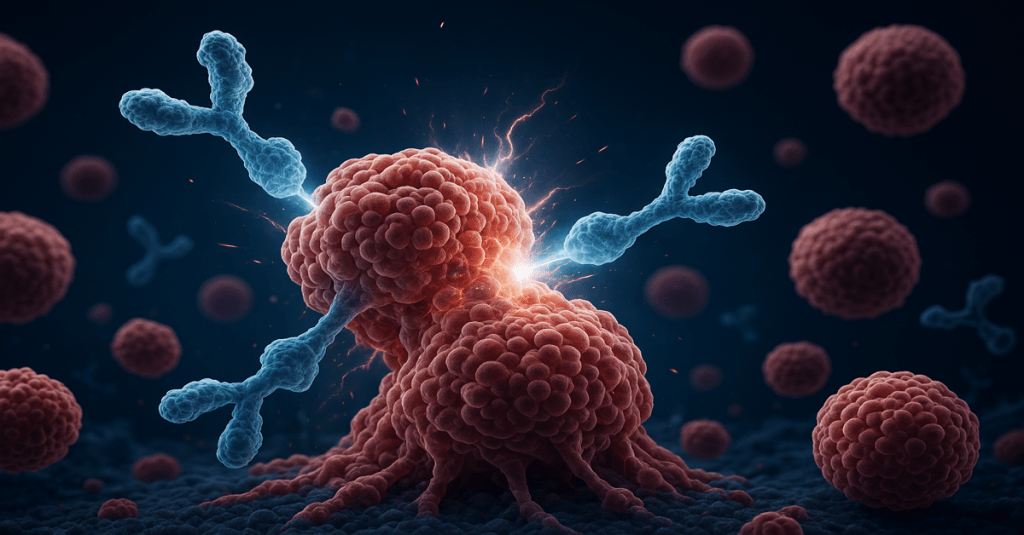
Bispecific antibodies are engineered proteins that can simultaneously bind to two different antigens. This unique ability makes them powerful tools in cancer immunotherapy and other therapeutic areas.
- Mechanism of Action: These antibodies typically engage T cells and bring them into close proximity with cancer cells, enhancing the immune system’s ability to target and destroy tumors.
- FDA Approved Example: Mosunetuzumab (Lunsumio), approved in December 2022 for relapsed or refractory follicular lymphoma.
- Pipeline: Several bispecific antibodies are in development for various cancers, including multiple myeloma and solid tumors.
2. Antibody-Drug Conjugates (ADCs)
ADCs combine the specificity of monoclonal antibodies with the potency of cytotoxic drugs, allowing for targeted delivery of powerful anti-cancer agents.
- Mechanism of Action: The antibody component binds to specific antigens on cancer cells, internalizes, and releases the cytotoxic payload, minimizing damage to healthy tissues.
- FDA Approved Example: Tisotumab vedotin-tftv (Tivdak), approved in September 2021 for recurrent or metastatic cervical cancer.
- Pipeline: Numerous ADCs are in clinical trials for various solid tumors and hematological malignancies.
3. Cell-Penetrating Peptides (CPPs)
CPPs are short peptide sequences that facilitate the intracellular delivery of various molecular cargoes, including proteins, nucleic acids, and small molecules.
- Mechanism of Action: These peptides can traverse cell membranes, enabling the delivery of therapeutic agents to intracellular targets that were previously considered “undruggable”.
- CPPs are being explored for delivering siRNA, proteins, and other macromolecules for various indications, including cancer and genetic disorders. While no CPP-based therapeutics have received FDA approval yet, several are in clinical trials.
4. Protein Degraders
Protein degraders, such as PROTACs (Proteolysis Targeting Chimeras), represent a novel approach to targeting disease-causing proteins.
- Mechanism of Action: These bifunctional molecules recruit the cell’s own protein degradation machinery to selectively eliminate specific target proteins.
- Numerous protein degraders are being developed for cancer, neurodegenerative diseases, and other conditions. No protein degraders have received FDA approval yet, but several are in clinical trials.
5. Engineered Cytokines
Engineered cytokines are modified versions of naturally occurring immune signaling proteins, designed to enhance their therapeutic properties while minimizing side effects.
- Mechanism of Action: These proteins modulate immune responses, often by selectively activating or inhibiting specific immune cell populations.
- Several engineered cytokines are in development for cancer immunotherapy and autoimmune diseases. Nemolizumab, an engineered anti-IL-31 receptor A antibody, approved in December 2022 in Japan for atopic dermatitis (not yet FDA approved).
Conclusion:
These novel protein therapeutic modalities represent the cutting edge of biotechnology, offering new hope for patients with previously untreatable or difficult-to-treat conditions. As research progresses, we can expect to see more innovative protein-based therapies entering clinical trials and eventually reaching the market, potentially transforming the treatment landscape for a wide range of diseases.
References:
- Frontiers in Immunology. Bispecific Antibodies: From Research to Clinical Application.
- U.S. Food and Drug Administration. (2022, December 22). FDA Approves Mosunetuzumab-axgb for Relapsed or Refractory Follicular Lymphoma.
- Wang, Y., Fan, S., Zhong, W. et al. (2022). Antibody drug conjugate: the “biological missile” for targeted cancer therapy. Signal Transduction and Targeted Therapy, 7, 93.
- Tripathi, P.P., Arami, H., Banga, I. et al. (2018). Cell Penetrating Peptides in Preclinical and Clinical Cancer Diagnosis and Therapy. Oncotarget, 9(98), 37252-37267.
- Chamberlain, P.P., Hamann, L.G. (2019). Development of targeted protein degradation therapeutics. Nature Chemical Biology, 15, 937-944.
- Spangler, J.B., Moraga, I., Mendoza, J.L. et al. (2015). Insights into cytokine-receptor interactions from cytokine engineering. Annual Review of Immunology, 33, 139-167.
- Weidinger, S., Beck, L.A., Bieber, T. et al. (2018). Atopic dermatitis. Nature Reviews Disease Primers, 4, 1.
- Markham, A. (2021). Nemolizumab: First Approval. Drugs, 81(6), 733-738.
Originally published by Romesh Collins on LinkedIn. Access the LinkedIn article here.

 Scientia Potentia Est