
Strategic White Paper:
Market Dynamics, Translational Science, and Predictive Drug Development
EXECUTIVE SUMMARY
The global biologics market is experiencing a period of sustained exponential growth, valued at $487 billion in 2025 and projected to exceed $1 trillion by 2035. Within this rapidly evolving ecosystem, humanized mouse models have emerged as the translational gold standard. These models are critical for predicting human-specific immune responses to novel therapeutics, directly addressing the translational gap that has historically contributed to a 90–95% failure rate in clinical drug development.
The global humanized mouse model market is projected to grow from $278 million in 2025 to $609 million by 2035 (8.1% CAGR), fueled by monoclonal antibody expansion ($286B to $936B), the rise of cell and gene therapies, and regulatory shifts demanding human-relevant preclinical data.
This Executive White Paper explores:
(🚨 Click any section title below to jump directly to that part of the article.)
- Market Landscape: The Biologics Imperative
A comprehensive analysis spanning the Total Addressable Market (TAM) for biologics through the Serviceable Obtainable Market (SOM) for humanized mouse models. - The Science: Why Humanized Mouse Models Matter
The mechanisms of mouse model humanization, genetic preservation, immune system reconstitution, and the translational limitations of conventional preclinical systems. - Clinical Applications: From Bench to Bedside
High-impact utility across antibody discovery, cancer immunotherapy, infectious disease research, and the validation of cell and gene therapy candidates. - The 3Rs & Regulatory Landscape
Navigation of the FDA Modernization Act 2.0 and proposed 3.0 legislation, emphasizing the transition toward alternative, humane, and more predictive testing methods as the future industry standard. - Competitive Landscape & Key Providers
Strategic positioning, operational differentiation, and service offerings of major global providers within the humanized mouse ecosystem. - Translational Economics: Valuation Impact & Market Evolution
Financial frameworks, rNPV modeling, commercialization strategy, and market growth dynamics supporting investment in advanced translational platforms. - Representative Applications: Translating Science to Commercial Value
Real-world biologics development scenarios demonstrating how humanized mouse platforms address translational bottlenecks in CAR-T therapies, bispecific antibodies, NK-cell engagers, and AAV gene therapies while supporting clinical de-risking and commercial decision-making. - Conclusions & Strategic Recommendations
Strategic insights and forward-looking recommendations for biopharmaceutical companies, CROs, investors, and regulators navigating the future of predictive drug development.
For biopharmaceutical organizations, research teams, CROs, investors, and regulators, humanized mouse models represent a strategic imperative. By providing human-relevant data before first-in-human trials, these models de-risk clinical portfolios and offer a clear pathway to reducing the immense costs associated with late-stage clinical failures.
1. MARKET LANDSCAPE: THE BIOLOGICS IMPERATIVE
A. Total Addressable Market (TAM): The Biologics Revolution
The global biologics market has entered a period of sustained growth, fundamentally reshaping pharmaceutical priorities. Large-molecule therapeutics now represent the most dynamic segment of the industry, with market values that increasingly outpace traditional small-molecule drugs.
Table 1: Global Biologics Market Growth Trajectory (2025–2035)
| Market Segment | 2025 Global Value | 2035 Global Projection | CAGR |
| Global Biologics Market | $487 Billion | $1.2 Trillion | 9.8% |
| Monoclonal Antibodies | $286 Billion | $936 Billion | 12.7% |
| Cell & Gene Therapies | $9 Billion | $47 Billion | 18.1% |
| Humanized Mouse Models | $278 Million | $609 Million | 8.1% |
| Global Biosimilars | $40 Billion | $191 Billion | 16.8% |
Sources: Towards Healthcare, Precedence Research, Global Market Insights, MarketsandMarkets, and industry analyses (2025–2026).Figures represent blended directional estimates synthesized from multiple market-intelligence sources published between 2025–2026.
Key Biologics Segments: Drivers of Innovation
1. Monoclonal Antibodies (mAbs): The Strategic Backbone
Monoclonal antibodies remain the largest segment within biologics. As of year-end 2025, oncology applications represent approximately 50% of the mAb market. Key growth drivers include:
- Next-Gen Formats: Bispecifics, trispecifics, and antibody-drug conjugates (ADCs).
- Biosimilar Expansion: A projected $191B global market by 2035, driving access and competitive pricing.
- Advanced Engineering: Fc-engineered platforms and humanized antibody discovery.
2. Cell and Gene Therapies (CGT): The High-Growth Frontier
CGT is the fastest-expanding segment, growing nearly 60% faster than the broader mAb market. This expansion is critically dependent on humanized mouse models for preclinical validation:
- CAR-T Validation: Humanized mice with functional human immune systems have established translational benchmarks of ~90% in predicting therapeutic-induced cytokine release syndrome (CRS).
- Gene Therapy Biodistribution: AAV-based therapies require human-hepatocyte-humanized liver models to validate species-specific tropism, preventing costly Phase I failures.
- CRISPR/Gene Editing: In vivo editing therapies rely on these models to confirm editing efficiency and durability in human hematopoietic cells.
- Regulatory Momentum: With 14 CGT products approved by the FDA between 2024 and 2025, the transition toward advanced modalities has solidified its position within the biologics landscape.
B. Serviceable Available Market (SAM): Humanized Mouse Models
Within this ecosystem, humanized mouse models are the critical enabling technology. The global market for these specialized models reached $278M in 2025. Mice remain the gold standard due to their genetic malleability and well-established regulatory track record.
Table 2: Humanized Mouse Model Application Breakdown (2025)
| Application | Key Characteristics | Modeled Application Distribution |
| Oncology | Immuno-oncology, checkpoint inhibitors, CAR-T, PDX | 47.1% |
| Immunology & ID | Autoimmune research, vaccine development, viral models | 22.8% |
| Neuroscience | Neuroinflammation, Alzheimer’s, Parkinson’s | 16.5% |
| Toxicology & Regenerative | Drug metabolism (liver humanization), hematopoiesis, iPSC-based systems | 13.6% |
Source/Methodology: Figures represent a modeled application distribution index synthesized from 2024–2025 industry data (Persistence Market Research, SNS Insider, Future Market Insights). Values are directional estimates of relative utilization across therapeutic pipelines and are intended to reflect model deployment rather than specific revenue-based market share.
Model Type Segmentation (Platform-Level Classification):
- Genetic Humanized Models: Engineered knock-in systems (e.g., HLA molecules, immune checkpoints) enabling stable and reproducible phenotypes across studies.
- Cell-Based Humanized Models: Rapid-deployment platforms including CD34+ HSC-engrafted and PBMC-based systems, widely used for immune function studies and cytokine release profiling in early translational workflows.
C. Serviceable Obtainable Market (SOM): End-User Analysis
- Pharmaceutical & Biotech (51%): Large pharmaceutical companies represent the dominant end-user segment, leveraging humanized models to de-risk multi-billion-dollar pipelines. In many licensing structures, programs supported by robust humanized preclinical data are associated with improved deal confidence and enhanced valuation outcomes.
- Contract Research Organizations (CROs): A rapidly expanding end-user segment providing specialized infrastructure, including CD34+ donor sourcing, immune reconstitution workflows, and bioanalytical support for mid-sized biotechs without in-house vivarium capabilities.
- Geographic Leaders: North America remains the dominant market (~45–50% share), while Asia-Pacific is the fastest-growing region (high single-digit to low double-digit CAGR), driven by accelerated oncology R&D investment and expanding biologics infrastructure in China and India.
2. THE SCIENCE: WHY HUMANIZED MOUSE MODELS MATTER
A. The Translational Gap: Why Traditional Models Fail
The pharmaceutical industry faces a stark reality: over 90% of oncology drug candidates that demonstrate efficacy in animal studies ultimately fail in human clinical trials. This translational failure imposes enormous financial and temporal costs—a single Phase II/III oncology trial failure can represent losses exceeding $100 million and years of development time.
The root cause lies in fundamental species-specific differences between humans and standard laboratory mice:
- Immune System Architecture: Human and mouse immune systems diverge significantly in T-cell receptor repertoires, cytokine signaling networks, and innate immune responses.
- Fc Receptor Biology: Mouse Fc receptors bind human antibodies with different affinities than human FcRn, leading to inaccurate antibody half-life predictions.
- Cytokine Specificity: Many human cytokines do not cross-react with mouse receptors, preventing evaluation of cytokine-dependent therapies.
- Tumor Microenvironment: Human tumors engrafted in standard immunodeficient mice lack authentic immune-tumor interactions.
- Adverse Event Prediction: Cytokine release syndrome (CRS), a life-threatening toxicity of T-cell engagers and CAR-T therapies, cannot be modeled in standard mice.
Humanized mouse models address these limitations by introducing human-specific biological components, creating a preclinical platform that more accurately predicts clinical outcomes.
B. Humanized Mice vs. Non-Human Primates: Predictivity and Trade-offs
Both humanized mice and non-human primates (NHPs) serve critical but distinct roles. Understanding their complementary strengths enables optimal model selection.
Table 3: Comparative Predictive Performance
| Application | Humanized Mice | Non-Human Primates (NHPs) |
| Cytokine Release Syndrome (CRS) | Highly predictive in vivo model: ~80–90% predictive performance with human immune cells; rapid (<14 days) PBMC-based systems | Limited: Species differences in cytokine signaling reduce translational predictivity |
| Antibody PK / Half-Life | Excellent: FcRn-humanized models (e.g., Tg32) approximate human IgG half-life with high fidelity | Good: NHP FcRn shows partial similarity but may over- or under-predict human clearance |
| Immune Mechanism of Action | High-fidelity: T, B, and NK cells enable precise immunotherapy evaluation | Limited: Species incompatibility reduces relevance for human-specific antibody engagement |
| Reproductive Toxicity (DART) | Not suitable: Lacks human placental architecture and reproductive cycle similarity | Essential: Highest physiological similarity to human reproductive biology |
| CNS / Neuroscience | Contextual: Useful for neuroinflammation and microglial studies; limited structural connectivity compared to humans | Superior: Closest available preclinical approximation of human brain architecture and higher-order neural organization |
| Study Timeline | Rapid: ~8–16 weeks (including immune reconstitution) | Extended: ~12–24 months (breeding and availability constraints) |
| Cost per Study | $80K–$150K | $500K–$2M+ (driven by global NHP supply constraints) |
Key Finding: PBMC-humanized mouse models achieve 80-90% predictivity for therapeutic-induced CRS, compared to <20% for standard mice and poor predictivity in NHPs. The rapid readout (6-14 days) enables early de-risking of T-cell engagers and CAR-T therapies before substantial investment in NHP safety studies.
C. Foundation Mouse Strains: Genetic Precision and Preservation
The C57BL/6J: The Global Reference Standard
The C57BL/6J strain, maintained by The Jackson Laboratory (JAX) since 1948, serves as the global reference for mouse genetics. As the official genetic repository, JAX prevents genetic drift—spontaneous mutations that accumulate over generations—through rigorous cryopreservation and generation monitoring protocols. This ensures that a study conducted in 2026 is directly comparable to research performed decades later.
Inbred vs. Outbred Strains: Strategic Selection
- Inbred Strains (e.g., C57BL/6J, BALB/c): Genetically identical within the strain (>20 generations of sibling mating). They provide genetic homogeneity for reproducible outcomes, reduced inter-animal variability (allowing smaller group sizes), and defined backgrounds for CRISPR/Cas9 modifications.
- Outbred Strains (e.g., CD-1): Maintain genetic diversity to model human population variability. They are primarily used in toxicology and safety assessments where a robust phenotype less susceptible to single-gene effects is required.
Genetic Preservation and Quality Control
Leading providers implement comprehensive quality systems:
- Cryopreservation: Embryo/sperm banking prevents drift and enables strain recovery.
- Generation Monitoring: Strict limits on breeding generations before rederivation.
- SNP Genotyping: Verifies genetic identity.
- SPF Barriers: Exclusion of 30+ pathogens that could confound results.
D. Humanization Strategies: Engineering the Human-Mouse Chimera
1. Genetic Humanization (Knock-in/Knock-out)
CRISPR/Cas9 technology enables precise replacement of mouse genes with human orthologs, creating stable, heritable humanization.
- FcRn Humanization (HuPK™): Replaces mouse neonatal Fc receptor with human FcRn; critical for dose selection.
- Human Cytokine Knock-ins: Introduction of human GM-CSF, IL-3, etc., supports enhanced human myeloid cell development.
- HLA Humanization: Replacement of mouse MHC with human HLA enables T-cell therapy testing with authentic antigen presentation.
2. Immunodeficient Platforms: The NSG Foundation
The NOD-scid-gamma (NSG™) mouse is the premier “chassis” for human cell engraftment:
- NOD background: Reduced innate immunity.
- scid mutation: Eliminates functional T and B cells.
- IL2rγ null: Prevents NK cell development.
- Advanced Derivatives: NSG-SGM3 (enhanced myeloid/NK cells) and huNSG-FLT3-IL15 (functional NK cells for ADCC-dependent antibody testing).
3. Cell-Based Humanization: Functional Immune Reconstitution
- CD34+ HSC Reconstitution: Human stem cells (cord blood) develop into a functional human immune system over 12-16 weeks. Supports long-term studies (>20 weeks) with multi-lineage reconstitution.
- PBMC-Humanized: Rapid engraftment (<14 days) for immediate functionality. Primarily used for acute CRS prediction.
- BLT (Bone marrow, Liver, Thymus) Model: The benchmark platform for HIV research, creating human thymic education and mucosal immunity.
4. Patient-Derived Xenografts (PDX) with Immune Humanization
Onco-Hu™ platforms combine patient tumor xenografts with immune system humanization. This enables “mouse clinical trials,” biomarker discovery, and response prediction for combination immunotherapies in an authentic tumor-immune microenvironment.
E. Biological and Translational Limitations
While highly translational, humanized mouse models are not complete human physiological surrogates and retain inherent biological constraints. Immune reconstitution is often partial, with variability in lineage maturation across platforms. Graft-versus-host disease (GvHD) remains a key limitation in PBMC-based studies, restricting the duration and interpretability of longer-term experiments.
Furthermore, donor heterogeneity in CD34+ and PBMC systems can introduce inter-study variability in cytokine profiles and immune responsiveness. Human cell function also remains partially supported by non-human microenvironments (murine stroma and vasculature), alongside a predominantly murine microbiome, which may influence therapeutic outcomes. Finally, these models do not fully recapitulate human architectural complexity in lymphoid organ organization and bone marrow niche biology. Collectively, these factors reinforce the positioning of humanized models as a high-fidelity component of an integrated translational toolkit rather than a standalone surrogate for human physiology.
F. When Non-Human Primates Remain Essential
Despite the capabilities of humanized mice, NHPs remain irreplaceable for specific applications mandated by agencies like the FDA and EMA:
- DART (Reproductive Toxicity): Primate placental anatomy and hormonal cycling (menstrual vs. estrus) are essential. The thalidomide tragedy remains the historical justification for NHP use in teratogenicity studies.
- Neuroscience: High-order executive functions, prefrontal cortex organization, and neural connectivity patterns in NHPs closely mirror humans in ways rodents cannot.
- Ocular Pharmacology: Retinal anatomy between primates and humans is uniquely similar, making NHPs necessary for retinal toxicity.
- Infectious Diseases: Some pathogens require specific NHP tropism or manifestations that cannot be fully recapitulated in mice.
Strategic Perspective: The modern R&D goal is not complete replacement but strategic reduction and refinement (3Rs). Modern programs employ both platforms sequentially—humanized mice for early mechanism-specific de-risking and NHP studies for late-stage regulatory-required endpoints.
3. CLINICAL APPLICATIONS: FROM BENCH TO BEDSIDE
A. Antibody Discovery & Development
Monoclonal Antibody Pharmacokinetics/Pharmacodynamics (PK/PD) FcRn-humanized mice (e.g., HuPK™ models) predict human antibody half-life with accuracy comparable to non-human primate (NHP) studies, at a fraction of the cost and timeline. This enables rational dose selection before first-in-human trials, reducing clinical dose-escalation cohorts and associated costs by $5–$10 million per program by streamlining Phase I protocols and preventing sub-therapeutic or toxic initial dosing.
Bispecific Antibodies and T-Cell Engagers
Humanized models with T-cell engraftment enable validation of:
- Dual-target engagement: Simultaneous binding kinetics on tumor-associated antigens and T-cell receptors (CD3).
- Cytokine release profiles: CRS risk stratification and “cytokine storm” mitigation.
- Activation kinetics: Quantifying tumor cell lysis efficiency and T-cell exhaustion markers.
- Off-target toxicity: Assessing reactivity on normal tissues expressing low-level target antigens in a human-relevant immune context.
Antibody-Drug Conjugates (ADCs)
Humanized tumor models facilitate assessment of:
- Payload delivery: Efficiency of internalization and intratumoral payload distribution.
- Bystander killing effect: Validating the impact on neighboring “antigen-negative” tumor cells in heterogeneous populations.
- Therapeutic window: Precisely determining the delta between the minimum effective dose (MED) and maximum tolerated dose (MTD).
B. Immunotherapy & Immuno-Oncology
Checkpoint Inhibitors
Anti-PD-1/PD-L1, anti-CTLA-4, and next-generation checkpoints (LAG-3, TIGIT) require humanized molecule expression for functional testing. These models enable:
- Tumor regression: Measuring long-term efficacy and the development of immune memory.
- Combination optimization: Testing synergies between multiple checkpoints or with chemotherapy/radiation.
- Biomarker identification: Discovering signatures for patient stratification to improve clinical success rates.
CAR-T & Cellular Therapies Humanized models serve critical roles in:
- Toxicity screening: “On-target/off-tumor” reactivity assessments before IND filing.
- Expansion kinetics: Tracking CAR-T cell persistence and infiltration into solid tumors.
- CRS Modeling: Validating prophylactic strategies (e.g., IL-6 receptor antagonists) within a functional human immune environment.
- Advanced Designs: Testing “armored” CARs (secreting cytokines) or switchable CAR designs for controlled activation.
NK-Cell Engagers & Therapies
The huNSG-FLT3-IL15 model provides mature, functional human NK cells enabling:
- Market validation: Critical testing for the rapidly growing NK-cell engager pipeline.
- ADCC Confirmation: Confirming Antibody-Dependent Cellular Cytotoxicity mechanisms in vivo.
- Allogeneic product testing: Evaluating “off-the-shelf” engineered NK cell products for persistence and efficacy.
C. Cell & Gene Therapies
AAV & Lentiviral Vector Biodistribution
Humanized liver and CNS models address the significant tropism differences between species:
- Transduction assessment: Validating human-specific hepatocyte or neuronal transduction efficiency compared to standard mouse cells.
- Off-target profiling: Mapping vector accumulation in non-target human tissues to predict potential safety signals.
- Dose optimization: Calibrating viral loads to minimize innate immunogenicity and hepatotoxicity.
In Vivo Gene Editing
CRISPR/Cas9, base editing, and prime editing therapies benefit from:
- Target validation: Assessing human-specific guide RNA (gRNA) efficiency in a physiological human cellular context.
- Off-target assessment: Evaluating genomic integrity and unintentional edits in human cells in vivo.
- Editing durability: Determining the long-term persistence of the edited genotype in hematopoietic or hepatic lineages.
D. Infectious Disease & Vaccine Development
Many human pathogens exhibit strict species-specific tropism. Humanized models provide the only viable “permissive” rodent environment:
- HIV Research: BLT (Bone marrow, Liver, Thymus) models are the leading platform, as HIV requires human CD4+ T cells for authentic infection and latency studies.
- SARS-CoV-2/Respiratory Viruses: Human ACE2 and TMPRSS2 expression enable accurate viral entry, pathogenesis, and antiviral drug testing.
- Hepatitis B/C: Liver-humanized mice (e.g., FRG® KO) support chronic infection and the evaluation of curative strategies.
- Vaccine Immunogenicity: Modeling human B-cell responses, antibody class switching, and affinity maturation to predict vaccine efficacy in humans.
4. THE 3Rs & REGULATORY LANDSCAPE
A. The 3Rs Principle: Replacement, Reduction, Refinement
The 3Rs framework has evolved from an ethical principle into a global regulatory mandate (e.g., EU Directive 2010/63/EU) and, in 2026, is increasingly interpreted as a benchmark for operational efficiency in preclinical development.
Replacement: Humanized Mice as NHP Alternatives
Humanized mice increasingly serve as a validated replacement for non-human primates (NHPs) in biologics testing:
- Cost Efficiency: NHP studies range from $500K–$2M+ vs. humanized mouse studies at $80K–$150K.
- Timeline Advantage: NHP programs often require 12–24 months; humanized mouse studies deliver actionable data in 8–16 weeks.
- Ethical Footprint: Drastically reduces reliance on evolutionarily proximate species.
- Regulatory Sufficiency: For biologics where the mechanism of action is human-specific and lacks NHP cross-reactivity, humanized mouse data is increasingly recognized as a key component of the weight-of-evidence package supporting IND submissions.
Reduction: Enhanced Predictivity
High-fidelity translational models reduce the total number of animals required across the development pipeline:
- Preventing “Futile” Programs: Identifying sub-optimal efficacy or safety signals earlier prevents the advancement of candidates into large-scale animal safety trials.
- Statistical Power: Reduced inter-animal variability in inbred humanized strains (e.g., NSG™) allows for smaller cohort sizes without losing statistical significance.
- Longitudinal Monitoring: In vivo imaging and serial micro-sampling enable repeated measures from the same animal, significantly lowering the total animal “n.”
Refinement: Maximizing Welfare and Data Quality
Refinement focuses on minimizing distress, which in turn leads to cleaner, more reproducible data:
- Host-Graft Tolerance: Advanced immunodeficient platforms minimize the systemic inflammation often seen in less-optimized xenograft models.
- Humane Endpoint Precision: Utilizing molecular biomarkers and standardized tumor-burden monitoring to intervene before clinical distress occurs.
B. FDA Modernization Act & New Approach Methodologies (NAMs)
Legislative Transformation
The FDA Modernization Act 2.0 (2022) fundamentally shifted the landscape by removing the 1938 animal testing mandate. Its successor, the proposed Act 3.0, aims to further codify the pathway for New Approach Methodologies (NAMs), providing the future framework for using alternative data to support IND and BLA filings.
Humanized Mice in the NAMs Hierarchy
NAMs represent a spectrum of innovation. Humanized mice occupy a unique “Tier 3” position that bridges the gap between lab-grown cells and human patients:
- Tier 1: 2D cell cultures and high-throughput biochemical screening.
- Tier 2: 3D organoids, organ-on-chip, and microphysiological systems (MPS).
- Tier 3: Humanized Mice — Combining human molecular biology with the systemic complexity of an in vivo circulatory, endocrine, and immune system.
- Tier 4: In silico PBPK models and AI/ML-driven toxicity simulations.
Strategic Bridging Function
While in vitro systems (Tier 2) are excellent for mechanistic snapshots, humanized mice provide the systemic context necessary for:
- Complex Biodistribution: Predicting where a drug goes and how long it stays there.
- Immune Interactions: Modeling multi-lineage cellular communication (e.g., T-cell/Myeloid/Tumor interactions) that cannot be fully replicated on a chip.
- Toxicity Validation: Serving as the definitive “in vivo” validation platform for signals identified in organoid or in silico screens.
Regulatory Trajectory
As of 2026, the FDA and EMA have established clear precedents for accepting humanized mouse data to:
- Support IND-enabling packages for immunotherapies.
- Grant exemptions from NHP requirements when primate targets are non-conserved.
- Provide mechanistic safety data for novel modalities like bispecifics and CAR-T therapies.
5. COMPETITIVE LANDSCAPE & KEY PROVIDERS
The humanized mouse model market is defined by four major players, each offering a distinct operational and scientific philosophy. Choosing a partner depends on whether a program prioritizes genetic pedigree, operational speed, or tumor microenvironment complexity.
Table 4: Strategic Provider Positioning (2026 Analysis)
| Provider | Core Strength | Flagship Models & Services |
| The Jackson Laboratory (JAX) | Scientific Authority: The world’s official genetic repository; maintains the gold-standard NSG™ pedigree with zero genetic drift. | NSG™ Chassis, huNSG-FLT3-IL15, HuPK™ (FcRn), Onco-Hu™, and PhD-level study co-design. |
| Charles River Labs (CRL) | Operational Scale: A “one-stop-shop” offering seamless integration from discovery through GLP-compliant toxicology. | Integrated services: Model supply + Bioanalysis + Regulatory Tox; global logistics and high-volume capacity. |
| Taconic Biosciences | Custom Specialization: Expertise in rapid model generation and flexible breeding with favorable commercial terms. | huNOG-EXL (extended myeloid survival), CRISPR/Cas9 services, and locally produced HIS mice (EU/US). |
| Crown Bioscience | PDX Library: Possession of the world’s largest and most diverse collection of patient-derived tumor xenografts. | HuPrime® (PDX) and HuKEE™ platforms; “Mouse Clinical Trials” for patient stratification. |
Disclosure: Company references are included solely for comparative industry analysis. The author has no commercial affiliation with the organizations discussed.
JAX: The Scientific Authority
JAX positions itself as a scientific partner rather than a vendor, operating under a “laboratory, not factory” ethos. Their value is rooted in the Genetic Stability Program, which refreshes colonies from cryopreserved stocks every 10 generations to eliminate the variability that plagues long-term drug programs.
- Key Advantage: JAX study directors are typically PhD-level immunologists who co-design protocols for complex modalities like bispecifics and CAR-T, ensuring that the model’s immune reconstitution (e.g., PBMC vs. CD34+) matches the therapeutic mechanism.
Charles River: The Integrated Powerhouse
CRL leverages its massive infrastructure to appeal to large Pharma and scaling Biotechs that want to minimize the “hand-off” risk between vendors.
- Key Advantage: They offer a “bundled” approach where a single contract covers the humanized model, the in-life study, and the downstream bioanalysis (e.g., digital PCR, high-parameter flow cytometry). This is particularly valuable for IND-enabling studies where regulatory continuity is paramount.
Taconic: The Custom Innovator
Taconic has carved out a niche for flexibility and speed. Their NOG-EXL model is a critical tool for researchers needing stable, long-term human myeloid and NK cell populations.
- Key Advantage: Taconic is frequently cited for its “license-free” approach, offering models under clear, for-profit terms without the burden of complex MTAs (Material Transfer Agreements), making them a preferred choice for rapid, early-stage custom engineering.
Crown Bioscience: The PDX Specialist
While the other three focus heavily on the “mouse chassis,” Crown Focuses on the human disease.
- Key Advantage: By pairing their massive PDX library with humanized immune systems, they allow sponsors to run “pre-clinical clinical trials.” This allows a developer to test a checkpoint inhibitor across 50 different patient-derived lung cancer models simultaneously to identify which genetic signatures respond best to the drug.
6. TRANSLATIONAL ECONOMICS: VALUATION IMPACT & MARKET EVOLUTION
A. Decision Framework: When to Deploy Humanized Models
Use Humanized Mice When:
- Target Divergence: Drug targets human-specific proteins with no mouse ortholog or >20% sequence divergence.
- Human-Specific MOA: Mechanism of action requires human immune effector cells (e.g., T-cell/NK engagers, CAR-T, bispecifics).
- Safety De-risking: High risk of human-specific toxicities, such as Cytokine Release Syndrome (CRS) or immune-mediated neurotoxicity.
- PK/PD Precision: Clearance is driven by human Fc receptors (FcRn) or human-specific metabolic pathways.
- Regulatory Pull: For novel modalities where the FDA/EMA has signaled a preference for human-relevant “Weight of Evidence” over standard rodent data.
Standard Mouse Models May Suffice When:
- High Homology: Targets with >90% human-mouse homology where functional cross-reactivity is validated.
- Traditional Small Molecules: Standard ADME/Tox studies for non-immunomodulatory compounds.
- Early Screening: Preliminary high-volume phenotypic screening before lead optimization.
B. Quantifying the Strategic ROI: A Worked Example
Humanized mouse models are a strategic investment that deliver measurable financial impact through clinical de-risking. In 2026, industry-standard valuation uses risk-adjusted Net Present Value (rNPV) frameworks, where incremental improvements in probability of success (PoS) are translated into expected value uplift.
Modeling Assumptions (Illustrative Oncology CAR-T Program)
Baseline assumptions reflect mid-stage oncology biologics benchmarks:
- Time to market (lead time): 7 years
- Discount rate (r): 15% (mid-cap biotech standard range: 12–18%)
- Revenue duration at peak: 10 years
- Peak annual sales (at launch): $500M
- Baseline Phase I probability of success (PoS): 40%
- PoS with humanized model data support: 50%
- Incremental PoS uplift: ΔPoS = 10% (0.10 absolute increase)
- Study cost: $150,000 (fully loaded preclinical humanized model study)
Step 1: Present Value Factor (DCF Structure)
We model value as:
1. Discount delay (no revenue until Year 7)
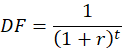
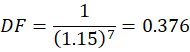
2. Revenue stream (10-year annuity at peak sales)
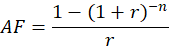

3. Combined PV multiplier*


*The discount factor captures the time delay before commercialization, while the annuity factor represents the present value of the post-launch revenue stream over the assumed revenue duration. Multiplying both provides a single consolidated present value (PV) multiple that reflects both development delay and lifetime cash flow.
DCF-derived present value multiplier ≈ 1.9×
Step 2: Expected Value Uplift from Improved PoS
Incremental value is driven by improvement in probability of success:


Plug in values:


Step 3: Net rNPV Lift (after study cost)



Step 4: ROI Metrics
Value-to-Investment Ratio

Step 5: Sensitivity Analysis (Conservative Case)
If PoS uplift is only 5% (0.05):



Operational and Economic Impact
Beyond valuation uplift, humanized modeling provides additional non-financial advantages:
- Failure Avoidance: Early identification of non-viable candidates avoids $15M–$50M in downstream clinical development costs, including manufacturing scale-up and trial execution.
- Timeline Efficiency: Reduction in reliance on non-human primate (NHP) studies can shorten IND-enabling timelines by up to ~6 months, creating additional time-value-of-capital benefits (material but program-dependent).
C. Translational Platform Design & Emerging Enablers
Study Design & Model Timelines:
- CD34+ HSC Reconstitution: 12–16 weeks (standard platform for long-term efficacy, immunogenicity, and on-target/off-target toxicity assessment).
- PBMC Humanization: <2 weeks (rapid acute immune response model for cytokine release syndrome and T-cell engager screening).
- Advanced Immunodeficient Strains (e.g., S15-DKO / next-generation platforms): 16–20 weeks (enable extended study windows by delaying or modulating graft-versus-host disease onset).
Enabling Technologies
- Multi-lineage Humanization: Integration of human immune, hepatic, and/or hematopoietic compartments (e.g., HMH systems) enabling translational modeling of complex indications such as drug-induced liver injury (DILI) in an immune-relevant context.
- AI-Assisted Translational Modeling: Machine learning approaches used to improve correlation between humanized mouse PK/PD datasets and early clinical outcome signals, supporting improved candidate prioritization.
- Microbiome Humanization: Engraftment of human-derived microbiota into immunodeficient hosts to study interactions between the gut microbiome, immune system, and tumor response dynamics.
Market Growth Drivers (2026–2030)
- Geographic Expansion: Strong growth in Asia-Pacific, driven by expanding biologics and oncology pipelines. India’s pharmaceutical sector is projected to reach ~$130B by 2030, while China continues to lead in CAR-T and NK-cell therapy development.
- Regulatory Momentum: Building on the direction of the proposed FDA Modernization Act 3.0, regulatory frameworks are increasingly expected to expand acceptance of human-relevant preclinical models, including humanized mouse systems, as part of a broader weight-of-evidence strategy for monoclonal antibodies and advanced therapeutics.
7. REPRESENTATIVE APPLICATIONS: TRANSLATING SCIENCE TO COMMERCIAL VALUE
The following applications illustrate how humanized platforms solve specific translational bottlenecks. These scenarios synthesize peer-reviewed methodologies with typical commercial outcomes observed in 2026 biologics development.
Application 1: CAR-T Cytokine Release Syndrome (CRS) Prediction
Scientific Foundation: Ye et al. (2020), FASEB J; Lee et al. (2025), AACR.
- The Challenge: CD19-targeting CAR-T therapies face a major hurdle: Grade 3-4 CRS, which can cause multi-organ failure. Standard mice lack the human immune cells required to generate the cytokine release profiles associated with CRS. Historically, unpredictable CRS has led to sudden clinical holds and program terminations after Phase I onset.
- The Solution: Using PBMC-humanized NSG or NSG-SGM3 mice engrafted with patient-matched tumor cells. By using PBMCs from multiple donors, developers can assess donor-to-donor variability, mirroring human clinical heterogeneity.
- Key Results: The model recapitulates clinical cytokine kinetics (IL-6, IFN-γ, TNF-α) within 14 days. Studies show that early prophylactic interventions (e.g., tocilizumab) reduce cytokine levels by 60-70%, providing a validated mitigation strategy before first-in-human dosing.
- Commercial Impact:
Risk Mitigation: Informed dose selection (e.g., reducing starting dose based on preclinical safety margins) prevents “trial-and-error” dosing in patients.
Valuation: with demonstrably improved safety profiles are associated with ~15–25% higher licensing value ranges in comparative deal analyses across oncology biologics.
ROI: Prevented clinical holds save $50M–$75M per program, representing a 400x return on the $150K study cost.
Application 2: Bispecific Antibody PK/PD Optimization
Scientific Foundation: Zalevsky et al. (2010); Neuber et al. (2014), mAbs.
- The Challenge: Bispecific T-cell engagers (e.g., CD3×EGFR) require precise dosing to balance solid tumor penetration with systemic toxicity. Standard mice are poor predictors of human half-life because mouse FcRn receptors bind human IgG differently than human FcRn, leading to massive errors in dose-frequency projections.
- The Solution: A Dual-Humanized platform combining FcRn-humanized mice (for accurate PK) with CD34+ HSC engraftment (for functional immune assessment). This allows developers to test various regimens—such as continuous low-dose vs. bolus dosing—to find the “sweet spot” for T-cell engagement.
- Key Results: Humanized FcRn models predict human half-life within 15-25% accuracy, compared to 2-5x deviations in standard mice. Data shows that continuous low-dose exposure via wearable pumps maintains therapeutic levels with 4-6x lower peak IL-6, significantly widening the therapeutic window.
- Commercial Impact:
Trial Efficiency: Reduces Phase I dose-finding by 2-3 cohorts, saving $3M–$5M and 6-9 months of development time.
Differentiation: Validating superior dosing (e.g., subcutaneous vs. IV) creates a competitive moat against “fast-follower” assets.
Capital Savings: Total development cost savings range from $8M–$12M per asset.
Application 3: NK-Cell Engager Platform Validation
Scientific Foundation: huNSG-FLT3-IL15 Technical Documentation; JAX (2026).
- The Challenge: NK-cell engagers (CD16A/NKG2D targets) are a high-growth segment (projected $2B+ by 2030). However, standard NSG mice lack mature, functional human NK cells, making it impossible to validate Antibody-Dependent Cellular Cytotoxicity (ADCC) in vivo.
- The Solution: The huNSG-FLT3-IL15 platform. By expressing human cytokines (FLT3L and IL-15), these mice support robust human NK cell maturation (15-25% of human CD45+ cells). This enables the comparison of multispecific designs (trispecific vs. bispecific) in a living human-relevant system.
- Key Results: Optimized trispecific formats achieved 60-80% complete tumor regression in these models, compared to only 20-40% partial responses with simpler bispecifics. Mechanistic data confirmed 2-4x higher NK cell infiltration at the tumor site.
- Commercial Impact:
Financing: Programs demonstrating ≥50% complete response in humanized models often see 2-3x valuation step-ups during Series B raises.
Pipeline Velocity: Candidate selection time decreased from 18-24 months to 8-12 months.
Portfolio Value: Accelerated development across a multi-asset NK platform is valued at $150M–$250M.
Application 4: AAV Gene Therapy Tropism & Dosing
Scientific Foundation: Azuma et al. (2007), Nature Biotech; FRG™ Platform.
- The Challenge: AAV vectors exhibit extreme species-specific tropism. A serotype that works perfectly in a mouse liver may fail in a human liver due to receptor differences. This “species gap” causes dose predictions to be off by 3-10 fold, risking either subtherapeutic results or liver toxicity in clinical trials.
- The Solution: Liver-humanized FRG™ mice (70-90% human hepatocyte replacement). This allows for the testing of AAV transduction and transgene expression (e.g., Factor IX or AAT) in authentic human liver tissue within a living system.
- Key Results: Models accurately predicted that doses for AATD gene therapy needed to be 4-10 fold higher than standard mouse data suggested. This prevented a clinical “underdosing” failure. Biodistribution studies also confirmed <1% off-target gonadal delivery, satisfying critical regulatory safety requirements.
- Commercial Impact:
Regulatory Speed: FDA/EMA recognize liver-humanized data as key evidence for dose selection, leading to 6-12 month acceleration to Phase I/II proof-of-concept.
NPV Lift: Early proof-of-concept is worth $20M–$40M in NPV for commercial-stage assets.
Scale: Reusing the humanized liver platform across a pipeline (Hemophilia, Wilson Disease, etc.) reduces per-program costs by 30-40%.
Commercial impact figures and ROI calculations are representative estimates based on standard rNPV (risk-adjusted Net Present Value) modeling, utilizing clinical success benchmarks from BIO (2024) and industry-average drug development costs.
8. CONCLUSIONS & STRATEGIC RECOMMENDATIONS
Key Takeaways
- The Market Imperative: The biologics sector is projected to reach $1.2 trillion by 2035, with cell and gene therapies representing the fastest-growing segment, expanding at a meaningfully higher CAGR than monoclonal antibodies (~18% vs ~13%). This creates an insatiable demand for predictive models. Humanized mice are the essential infrastructure for this ecosystem, particularly for CAR-T validation, AAV biodistribution, and CRISPR editing confirmation.
- Translational Superiority: The 90% failure rate in oncology is fundamentally a modeling crisis. Humanized platforms bridge this gap, establishing translational benchmarks of ~90% for Cytokine Release Syndrome (CRS) prediction—a level of predictive fidelity that standard mice and NHPs cannot replicate due to species-specific differences in cytokine signaling.
- Strategic Complementarity: The future of drug development is not the total replacement of Non-Human Primates (NHPs), but a sequential hierarchy. Humanized mice provide early mechanism-of-action confirmation and safety de-risking, while NHPs remain reserved for late-stage, regulatory-required endpoints such as reproductive toxicity (DART) and complex neuroscience.
- Quantifiable ROI: A single ~$150K investment in humanized modeling can generate substantial enterprise value by improving an asset’s Probability of Success (PoS). Based on the illustrative rNPV framework presented in this report, a 3%–10% improvement in PoS corresponds to an estimated valuation uplift of approximately $28M–$95M per program. Additionally, early identification of non-viable candidates can help avoid tens of millions in downstream development expenditures and reduce costly market-entry delays associated with late-stage clinical failure.
- Regulatory Momentum: Building on the FDA Modernization Act 2.0, the proposed FDA Modernization Act 3.0 reflects an ongoing shift toward science-based regulatory frameworks that reduce reliance on traditional animal testing. Humanized mouse models are increasingly recognized as a leading New Approach Methodology (NAM) for human-relevant biologics, particularly in immuno-oncology and advanced therapeutic modalities. Future regulatory guidance through 2026–2027 is expected to further expand their acceptance within a broader weight-of-evidence framework for human-specific drug development.
Recommendations for Stakeholders
- For Biotech & Pharmaceutical R&D Leaders
- Integrate at Lead Optimization: Consider incorporating humanized mouse models earlier in the discovery pipeline to enable earlier identification of on-target and off-target toxicities, reducing late-stage attrition and improving capital efficiency.
- Leverage Co-Clinical “Avatars”: Utilize patient-derived xenografts (PDX) in humanized mouse systems to conduct translationally aligned preclinical studies alongside clinical development. This approach can help identify immune and genetic response patterns that support improved patient stratification strategies in clinical trials.
- Budget as Strategic Risk Mitigation: Allocate a defined portion of preclinical spend to humanized model validation as a risk-reduction strategy. ROI modeling suggests this investment can generate substantial portfolio-level value by improving probability of success and reducing downstream attrition costs.
- Evaluate Internal Capability Development: For organizations with multiple clinical-stage assets, assess the feasibility of internal humanized model capacity to improve data control, turnaround time, and long-term cost efficiency in high-throughput discovery programs.
2. For Contract Research Organizations (CROs) & Service Providers
- Build Centers of Excellence: Transition from generalized service offerings toward therapeutic-area specialization, particularly in CAR-T, bispecific antibodies, and gene therapy. Deep domain expertise enables co-development of study designs and enhances strategic value beyond standard model provision.
- Offer Integrated Full-Service Study Packages: Evolve from standalone model provision toward integrated experimental solutions combining humanized mouse platforms with advanced bioanalytical readouts (e.g., high-parameter flow cytometry, cytokine profiling, and in vivo imaging). This integration can meaningfully increase study-level contract value depending on experimental complexity and scope.
- Invest in AI/ML Capabilities: Develop machine learning frameworks trained on historical humanized-to-clinical translation datasets to improve prediction of early clinical outcomes. These capabilities are expected to become an increasingly important competitive differentiator as data-driven translational modeling expands across preclinical development.
3. For Investors & Business Development Professionals
- Due Diligence as a De-Risking Indicator: Incorporate humanized model validation data as part of technical due diligence during asset evaluation. Companies with robust translational datasets (e.g., CRS, biodistribution, or immunogenicity profiles) are generally associated with reduced downstream development risk and stronger partnership positioning in comparative deal structures.
- Monitor Asia-Pacific Expansion: The Asia-Pacific region continues to exhibit strong growth in biologics and advanced therapy development, supported by expanding research infrastructure and increasing clinical activity. This trend is driving increased strategic interest in regional providers as potential acquisition candidates for global organizations seeking geographic diversification.
- Platform Integration: Prioritize opportunities in companies integrating experimental humanized model systems with AI-driven predictive analytics. These hybrid wet-lab and computational platforms are increasingly viewed as a key direction in translational biotechnology investment strategies.
4. For Regulators & Policy Makers
- Class-Specific Guidance Development: Establish regulatory frameworks that define when humanized mouse models may be appropriate within a weight-of-evidence approach for specific biologic classes, helping to refine study design requirements while reducing unnecessary reliance on non-human primate studies.
- International Harmonization: Promote alignment of regulatory expectations across agencies such as the FDA, EMA, and PMDA to enable more consistent acceptance of harmonized preclinical packages and support globally integrated drug development programs.
- Data Sharing Consortia: Encourage pre-competitive collaboration and the development of shared databases capturing humanized mouse-to-clinical translational correlations, supporting model qualification efforts and reducing duplication of animal studies across the industry.
Final Perspective: The Humanization of Discovery
Humanized mouse models represent more than an incremental update; they constitute a foundational pillar of human-centric drug development.
As the biologics revolution accelerates—driven by monoclonal antibodies projected to exceed ~$900 billion by 2035 and cell and gene therapies expanding at ~18% CAGR in key segments—the translational gap has become the industry’s central challenge. We are witnessing a convergence of CRISPR-accelerated model generation (now under 9 months), multi-lineage humanization (creating living “body-on-a-chip” systems), and regulatory modernization that is increasingly supportive of human-relevant preclinical models within a broader weight-of-evidence framework.
We are moving away from the historical question, Is it safe in a mouse? and toward the modern imperative, Is it effective in a human system? In an industry where a single clinical hold can materially impact company valuation, the ability to mitigate translational risk through high-fidelity humanized systems is a significant competitive advantage. These models provide a practical bridge between the reductionism of the bench and the complex reality of clinical success.
REFERENCES
Market Analysis & Industry Reports
- Toward Healthcare. (2025). Humanized mouse model market sizing.
- MarketsandMarkets. (2025). Humanized mouse and rat model market – Global forecast to 2030.
- Grand View Research. (2024). Monoclonal antibodies market size & share report, 2030.
- Nova One Advisor. (2026). Biologic drugs market size analysis and global forecast.
- Precedence Research. (2025). Biologics market growth forecast 2025-2034. BioSpace Press Release.
- Evaluate Vantage. (2025). World preview 2025, outlook to 2030. Evaluate Ltd.
Strategic ROI & Financial Methodology
- Biotechnology Innovation Organization (BIO). (2024). Clinical development success rates and contributing factors.
- Damodaran, A. (2025). Valuation in the life sciences: Discount rates and cash flow risk. NYU Stern School of Business.
- DiMasi, J. A., et al. (2023). Assessing the financial impact of translational accuracy on drug development costs. Journal of Health Economics.
- S., Phillip, K., and Trusheim, M. (2025). Clinical development success rates for durable cell and gene therapies. Nature Reviews Drug Discovery.
Regulatory & Policy Documents
11.U.S. Congress. (2022). S.5002 – FDA Modernization Act 2.0. 117th Congress.
- U.S. Congress. (2025). S. 355 – FDA Modernization Act 3.0. 119th Congress.
- Zushin, P. J. H., Mukherjee, S., and Wu, J. C. (2023). FDA Modernization Act 2.0: Transitioning beyond animal models with human cells, organoids, and AI/ML-based approaches. Journal of Clinical Investigation.
- European Parliament. (2010). Directive 2010/63/EU on the protection of animals used for scientific purposes.
- International Council for Harmonisation (ICH). (2023). S12 Nonclinical biodistribution considerations for gene therapy products.
- F., Alexander-White, C., Brescia, S., Currie, R. A., Roberts, R., Roper, C., Vickers, C., Westmoreland, C., and Kimber, I. (2024). New approach methodologies (NAMs): Identifying and overcoming hurdles to accelerated adoption. Toxicology Research.
Therapeutic-Specific Applications (Case Study Foundations)
19.Ye, C., et al. (2020). A rapid, sensitive, and reproducible in vivo PBMC humanized murine model for determining therapeutic-related cytokine release syndrome.
- Matas-Céspedes, A., et al. (2020). Use of human splenocytes in an innovative humanised mouse model for prediction of immunotherapy-induced cytokine release syndrome. Clinical & Translational Immunology.
- Lee, W., et al. (2025). Using PBMC-humanized mice to identify optimal autologous CAR T products for maximized efficacy and minimized toxicity. AACR Proceedings.
- Neuber, T., et al. (2014). Characterization and screening of IgG binding to the neonatal Fc receptor. mAbs.
- Zalevsky, J., et al. (2010). Enhanced antibody half-life improves in vivo activity. Nature Biotechnology.
- Azuma, H., et al. (2007). Robust expansion of human hepatocytes in Fah-/-/Rag2-/-/Il2rg-/- mice. Nature Biotechnology. 25(8):903-910.
Scientific Literature & Technical Resources
23. Mirlohi, M. S., Yousefi, T., Aref, A. R., and Seyfoori, M. (2025). Integrating New Approach Methodologies (NAMs) into preclinical regulatory evaluation of oncology drugs. Biomimetics.
- De La Rochere, P. (2026). A comprehensive analysis of humanized mouse models for the study of cancer immunotherapies. Frontiers in Immunology.
- AAAS Science. (2023). A new path to new drugs: Finding alternatives to animal testing. Science Custom Publishing Office.
- Norecopa. (2024). The three Rs: Replacement, reduction, and refinement.
- Muhammad, A., Zheng, X.-Y., Gan, H.-L., Guo, Y.-X., Xie, J.-H., Chen, Y.-J.,and Chen, Jin-Jun. (2025). AI-Enhanced Morphological Phenotyping in Humanized Mouse Models: A Transformative Approach to Infectious Disease Research. Biophysica.
Industry Resources & Company Information
28. Crown Bioscience. (2026). Humanized and Genetically Modified Mouse Models. Crown Bioscience Resources.
29. The Jackson Laboratory. (2026). In Vivo Pharmacology & Preclinical Research Services. The Jackson Laboratory Preclinical Services Portal.
30. Charles River Laboratories.(2026). Mouse Models. Charles River Laboratories Research Models Portfolio.
31. Taconic Biosciences. (2026). Humanized Immune System Mice for Preclinical Research. Taconic Biosciences Portfolio Insights.
32. Axion Biosystems. (2025). New approach methodologies: Advances in preclinical safety studies. Axion Biosystems Insights and Applications Portfolio.
33. Thermo Fisher Scientific. (2025). New approach methodologies in drug development. Biotech at Scale Blog.


